
Spring Property Prep: How to Prevent Water Damage Before the Season Starts
The first visit to your holiday property after winter is always a special moment. The door swings open, the air smells of fresh earth and new beginnings – and your hands are already itching to get started. But before diving into garden work, repairs or a thorough clean-up, it's worth taking a closer look at what winter has left behind. Especially in the places you least expect.
What Happens to Your Property During Winter?
Winter puts every building through its paces – and holiday properties are hit particularly hard, since they often sit empty for months with no one around to catch small problems early. The most common issues found when reopening a property in spring:
- Basements and lower floors – Thawing ground and rising water tables in spring frequently cause water to seep through walls or floors, often going unnoticed until visible damage appears.
- Garages and outbuildings – Roof condensation, deteriorated seals and poor drainage lead to moisture build-up that quietly damages tools, equipment and stored belongings.
- Tools and machinery – Equipment stored in damp conditions rusts rapidly, and machinery can suffer permanent damage to electrical systems and motors from prolonged moisture exposure.
- Terraces and outdoor surfaces – Water collects in cracks and depressions, works its way under surface layers and gradually undermines the foundations beneath – especially after the freeze-thaw cycles typical of early spring.
The Spring Inspection: Where to Begin?
Before the real seasonal work begins, a short but systematic walkthrough of your property is well worth the time. A few hours of attention now can save considerable stress and expense later – whether you're dealing with a holiday cabin, a garage, a workshop or an outbuilding.
1. Check the Basement and Foundation
Head down to the basement and examine walls and floors carefully. Damp patches, white chalky deposits on brickwork or a musty smell are clear signs that water has already found a way in. The earlier you catch it, the simpler – and cheaper – it is to address.
2. Inspect the Roof and Gutters
Winter can dislodge tiles, open up cracks and clog gutters with ice and debris. Spring rain doesn't forgive – it finds every weak point, however small, and exploits it quickly.
3. Check Garage Floors and Storage Areas
Pay close attention to the areas around doors and windows – these are the most common entry points for condensation and surface water. Damp floors or visible water tracks are a clear signal that action is needed.
4. Assess Outdoor Surfaces and Driveways
Terraces, pathways and parking areas often develop sunken patches or cracks over winter where water pools and stagnates. This isn't just an aesthetic issue – standing water slowly undermines foundations and encourages mould growth.
Water at Your Property: When Does It Become a Problem?
Water itself isn't the enemy – the problem starts when it ends up where it shouldn't be. In spring, property owners typically encounter three water damage scenarios:
- Sudden water ingress – Heavy rainfall or rapidly melting snow creates a short but intense surge of water that no one was prepared for.
- Gradual moisture build-up – Barely visible but particularly damaging: walls become damp, wooden structures begin to rot, mould spreads quietly through the building.
- Pipe or equipment failure – Pipes damaged by frost begin to leak in spring – often only discovered once the damage is already done.
In all three cases, speed is the decisive factor. The sooner water is stopped and absorbed, the smaller the damage.
Effective Protection: Practical Solutions That Work
Traditional methods – sandbags, old towels, a bucket in the corner – offer basic protection but are slow, cumbersome and often simply not enough when water arrives fast. Modern solutions allow for a quicker, more effective response.
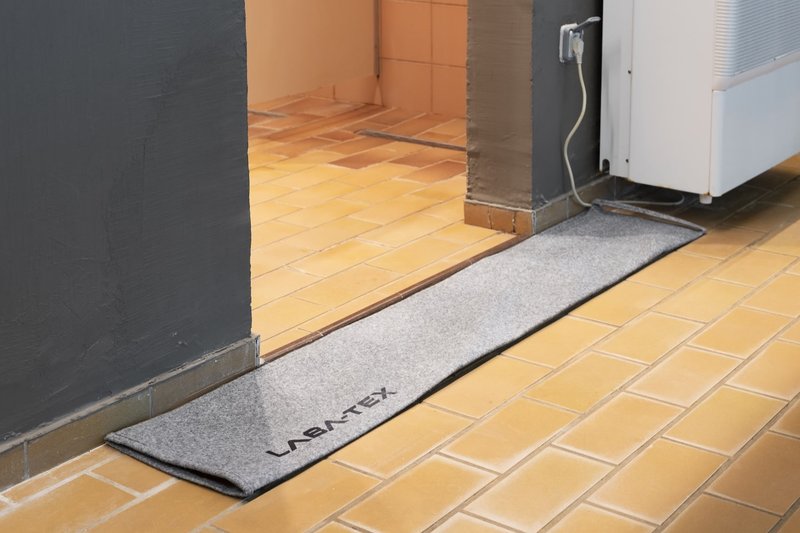
One of the most practical options for property owners is a water-absorbent barrier by LABA-TEX – it works immediately on contact with water, absorbing up to 30 litres, without leaking through or leaving moisture marks. Ideal for protecting garage doors, basement entrances and terrace access points.
What makes this solution particularly effective:
- No installation required – place it and it works instantly.
- Compact storage – takes up minimal space in a garage or storage room.
- Works simultaneously as an active barrier and an absorbent layer.
- Suitable for all typical weak points in a holiday property or outbuilding.
A Stress-Free Season Start – No Nasty Surprises
Preparing your property for the season means more than mowing the lawn and planting the beds. It also means taking responsibility for what a single rainy night can undo. Water damage rarely begins as a major catastrophe – it starts with small, easily preventable oversights.
Carry out your spring inspection, check the most vulnerable points of your property – and make sure LABA-TEX water protection solutions are within easy reach. Because water, as always, arrives when you least expect it.
Good preparation isn't pessimism – it's the wisdom that comes from one season too many.
Ready to Protect Your Business?
Get in touch with our team to learn more about how Laba-Tex can help prevent water damage in your facility.